
Tips for Creating a Relaxing Home Office Environment
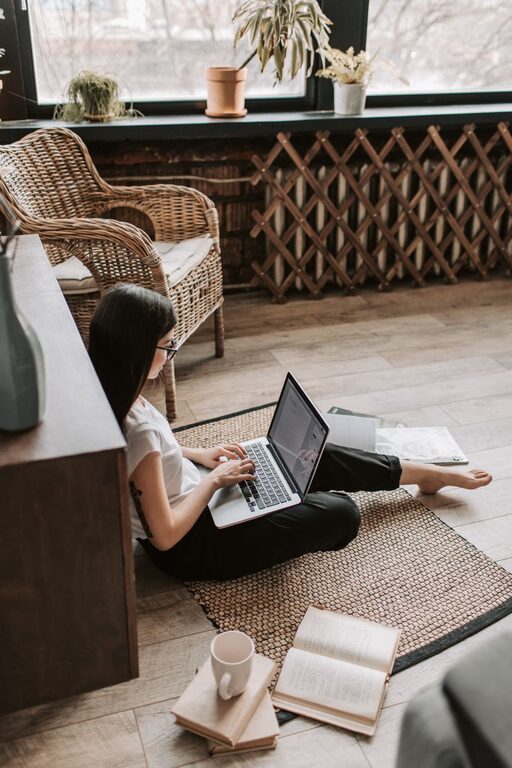
Creating a relaxing home office environment is essential for anyone working remotely or spending significant time on projects at home. A well-designed workspace not only helps reduce stress but also improves productivity, creativity, and focus. In this post, we’ll explore helpful tips to transform your home office into a comfortable and calming haven.
Why a Relaxing Home Office Matters
Spending hours in a cluttered, noisy, or uninspiring space can drain your energy and hinder your ability to concentrate. On the other hand, a thoughtfully arranged office can enhance your mood and encourage positive work habits. Whether your home office is a separate room or a small corner, applying these tips will help make it a place you enjoy being in.
Choose the Right Location
Consider Natural Light
Wherever possible, choose a spot that receives plenty of natural light. Exposure to daylight improves mood, energy, and focus. Position your desk near a window, but be mindful to avoid glare on your computer screen.
Minimize Distractions
Pick a quiet area away from high-traffic zones in your home. If complete silence isn’t possible, consider noise-canceling headphones or play soft instrumental music to mask background sounds.
Invest in Comfortable and Functional Furniture
Ergonomic Chair
An ergonomic office chair supports good posture and reduces back strain. Look for adjustable height, lumbar support, and comfortable padding to help you stay comfortable for long periods.
Desk Space
Choose a desk that fits your needs—big enough for your computer, notebooks, and other essentials without feeling cramped. Standing desks or adjustable-height desks encourage movement throughout the day.
Keep Your Space Organized
Declutter Regularly
A clutter-free space reduces visual distractions and makes it easier to focus. Use storage bins, shelves, or drawers to keep papers, cables, and supplies neatly stowed.
Use Organizational Tools
Desk organizers, cable clips, and file holders help keep essentials within reach and maintain a tidy surface. Labeling storage containers can also speed up finding what you need.
Incorporate Calming Elements
Soothing Colors
Choose colors that promote relaxation and calm. Soft blues, greens, and neutrals are often recommended to create a peaceful atmosphere.
Indoor Plants
Adding greenery to your office brings nature indoors and can improve air quality. Plants like peace lilies, snake plants, or pothos are easy to care for and visually pleasing.
Personal Touches
Incorporate items that bring you joy—framed photos, inspiring artwork, or a favorite mug. These small personal touches can boost your mood and motivation.
Manage Lighting Effectively
Layered Lighting
Combine natural light with artificial lighting for a balanced effect. Use a desk lamp with adjustable brightness to reduce eye strain during evening hours.
Avoid Harsh Lighting
Steer clear of overly bright or flickering lights. Warm, soft light bulbs create a more inviting and restful workspace.
Establish a Routine and Boundaries
Dedicated Work Hours
Setting clear work hours and taking regular breaks prevents burnout. Use timers or apps to remind yourself when it’s time to stretch or step away.
Separate Work and Leisure Spaces
If possible, keep your work area distinct from places you relax or sleep. This physical boundary helps your brain associate the space with work and focus.
Prioritize Air Quality and Ventilation
Good air circulation keeps your workspace fresh and improves concentration. Open windows if the weather allows and consider using an air purifier if needed.
Use Technology Wisely
Keep your devices updated and cables organized to avoid frustrations. Use blue light filters on screens to reduce eye fatigue, especially late in the day.
Final Thoughts
A relaxing home office isn’t just about aesthetics; it’s about creating an environment that supports your well-being and productivity. By paying attention to light, comfort, organization, and calming details, you can design a space where work feels less like a chore and more like a fulfilling activity. Experiment with these tips and adjust your setup over time to find the perfect balance for you.