
Tips for Creating a Cozy and Inviting Home Office Space
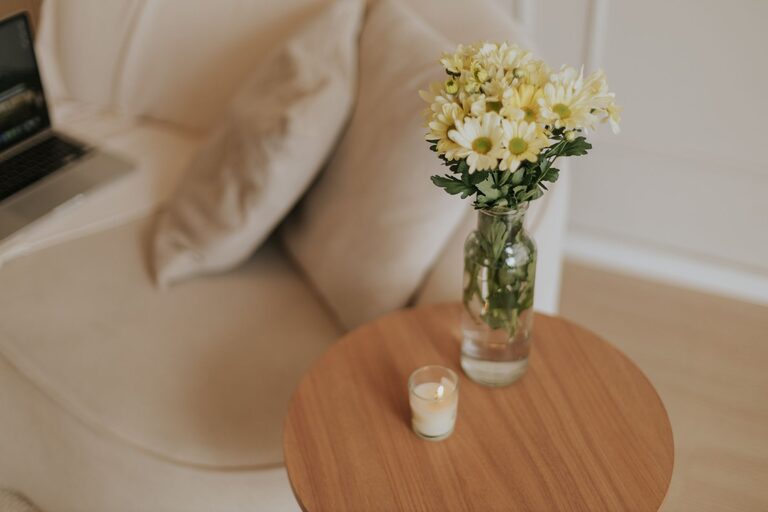
Creating a home office that feels cozy and inviting can make a big difference in your productivity and overall well-being. When your workspace is comfortable and inspiring, it encourages focus and makes working from home more enjoyable. Whether you have a small corner or a dedicated room, these tips will help you design a home office that feels just right.
1. Choose a Comfortable Chair and Desk
Your furniture sets the foundation for your workspace comfort. Investing in a good chair with supportive cushioning and adjustable features can help reduce strain on your back and neck. Similarly, select a desk that fits your space and work style. A desk with enough surface area allows you to keep necessary items within reach without clutter.
– Look for ergonomic chairs to support posture
– Consider a desk with storage options to stay organized
– Adjust chair and desk height for comfortable typing and screen viewing
2. Optimize Natural and Artificial Lighting
Lighting plays a key role in how inviting your office feels. Natural light helps reduce eye strain and boosts mood, so try to place your desk near a window if possible. If natural light is limited, use layered lighting to brighten up your space effectively.
– Position your desk close to a window for daylight
– Use a mix of ambient lighting (ceiling lights) and task lighting (desk lamps)
– Choose bulbs that mimic natural light for a warm yet clear glow
3. Personalize Your Space With Decor
Adding personal touches to your office can make it more comfortable and motivating. Choose decor that reflects your style and lifts your spirits.
– Display artwork or prints you love
– Add plants to bring in a bit of nature and fresh air
– Use colorful or textured cushions and throws for a cozy feel
4. Keep Your Workspace Organized
A cluttered desk can distract and frustrate, so keeping your office tidy is essential. Organization helps streamline your workflow and maintain an inviting environment.
– Use drawer organizers, boxes, or trays to group similar items
– Keep only frequently used tools on your desk to minimize clutter
– Establish a daily or weekly routine to tidy up your workspace
5. Incorporate Soft Textures and Warm Colors
Soft textures and warm colors make your office feel cozy and inviting. Think beyond just furniture and decor to other elements in the room.
– Use rugs or mats to add softness and warmth underfoot
– Choose paint colors or wallpaper in soothing shades like soft blues, greens, or warm neutrals
– Include soft fabrics like curtains and cushions to absorb noise and add comfort
6. Create Zones for Different Tasks
If your space allows, design different zones for various activities. Having specific areas for computer work, reading, or creative brainstorming can help you stay focused and organized.
– Dedicate an area for your computer or laptop
– Set up a small reading nook with a comfortable chair and good lighting
– Use shelves or carts for supplies or reference materials
7. Add Functional Technology and Accessories
Technology can enhance your productivity but also add to the comfort of your workspace when chosen thoughtfully.
– Use a monitor stand or adjustable arm for better ergonomics
– Invest in wireless accessories to reduce cable clutter
– Use noise-canceling headphones if noise is an issue
8. Make Space for Breaks and Movement
Sitting for long hours can be tiring. Design your office space to encourage movement and short breaks for better health and comfort.
– Include a small area for stretching or standing work if possible
– Keep a water bottle nearby to stay hydrated
– Use timers or apps to remind you to take breaks
Conclusion
Designing a cozy and inviting home office is about creating a space that feels comfortable, personalized, and functional. By paying attention to furniture, lighting, organization, and personal touches, you can build an environment where you enjoy spending time and get your best work done. Remember, your home office should reflect your needs and style, making it a welcoming haven for productivity and creativity.